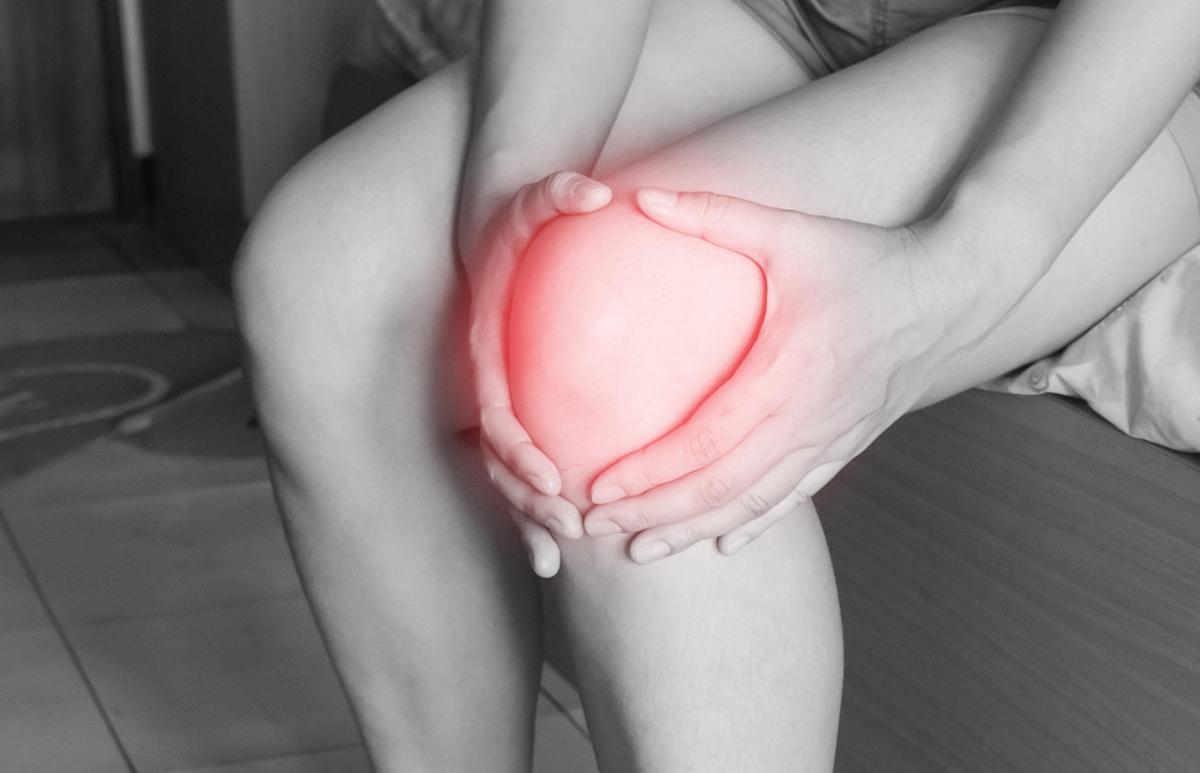
Knee clicking sounds can be a bit concerning, especially if you're recovering from surgery. Many people experience these clicks or pops in their knees, and it's important to understand why they happen. The medical term for this is "knee crepitus," and it's often nothing to worry about. Let’s explore some common knee crepitus causes.
One common culprit for those clicking sounds is the movement of tendons or ligaments over the bones in your knee. As you flex and extend your knee, these structures can shift, causing that popping noise. It's usually harmless, especially if you’re not feeling any pain or swelling. Just a natural part of how our bodies move!
Another possible reason for knee clicking is gas bubbles forming within the joint fluid. When you bend your knee, these bubbles can burst, leading to that distinctive popping sound. It's similar to cracking your knuckles! This is usually normal and not a sign of any underlying issues.
On the flip side, if you notice knee clicking along with pain, swelling, or instability, it might be worth chatting with your doctor. Sometimes, knee crepitus can indicate issues like cartilage wear or injuries. Just keep an eye on those sounds, and trust your instincts if something feels off.
Common Causes of Knee Clicking
Knee clicking sounds, often referred to as knee crepitus, can happen to anyone, whether you've had surgery or not. It's a common occurrence, and understanding the knee crepitus causes helps ease those worries. Let's dive into some of the main reasons why your knee might be making those noises.
One common cause is the natural movement of air bubbles in the joint fluid. When you bend or straighten your knee, these bubbles can pop, leading to that click or snap sound. It’s usually harmless and nothing to stress about. As long as there’s no pain involved, it’s generally just your body’s way of adjusting.
Another reason could be due to the cartilage wearing down over time. This often happens as we age or if there’s a history of overuse or injury. If you notice clicking accompanied by pain or swelling, it might be a sign to consult your doctor. Getting to the bottom of these knee crepitus causes can help address any potential issues early on.
Sometimes, it could be a tight ligament or tendon catching on the bone as you move your knee. This is pretty common, especially for those who are active in sports. Stretching and strengthening exercises can help minimize this clicking and keep your knees functioning smoothly. Just remember, if those clicks come with discomfort, it’s always good to check in with a healthcare professional.
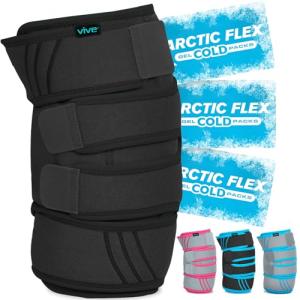
Vive Knee Ice Pack Wrap for Pain Relief
Feel comfortable and supported with this convenient ice pack wrap designed to help reduce pain and swelling after knee surgery
Product information
€30.38 €26.04
Product Review Score
4.54 out of 5 stars
109 reviewsProduct links
When to Seek Medical Advice
Watch out for these signs:
A doctor can help identify knee crepitus causes and figure out the best path forward. Whether it’s a simple adjustment or something that needs treatment, it’s better to get on top of it early. Remember, your knee health is important! Trust your instincts, and if something feels off, don’t hesitate to reach out.
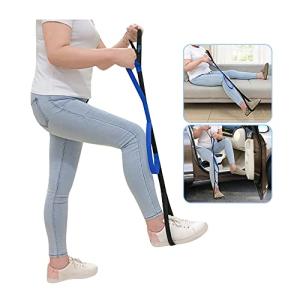
Leg Lifter Strap for Easy Knee Recovery
Take control of your recovery with this handy leg lifter strap designed to make moving your leg a breeze
Product information
€7.81
Product Review Score
4.11 out of 5 stars
190 reviewsProduct links
Managing Knee Clicking at Home
Dealing with knee clicking can be annoying, right? If you're experiencing this, you're not alone. Knee clicking or popping, also known as knee crepitus, can happen to anyone. Sometimes it's harmless, but it's good to understand what's going on. Let's take a look at some knee crepitus causes and how you can manage it right from home.
First off, it might help to keep your knee strong and flexible. Gentle stretching and strengthening exercises can do wonders. Focus on exercises that work your quads, hamstrings, and calves. Simple moves like leg raises or hamstring curls can really help. Remember to warm up before you dive into these exercises, as this can reduce any stress on your knees.
If you notice your knee clicking after a long day or a workout, it might just need a little TLC. Ice packs can help reduce any swelling and discomfort. Try icing your knee for about 15 to 20 minutes a few times a day, especially after physical activity. This little trick can make a big difference.
Finally, consider your daily habits. Are you sitting for long stretches? Do you skip warm-ups before exercise? Small changes can lead to big improvements. Make sure you're giving your knees a break and not overdoing it. Listening to your body is key when it comes to managing knee clicking at home.