Choosing the right knee brace can feel overwhelming. With so many options out there, how do you know which one is best for your needs? First, think about the type of support you require. If you’re recovering from surgery, you might want a brace that offers a lot of stability. For mild support during activities, a lighter, adjustable brace can do the trick.
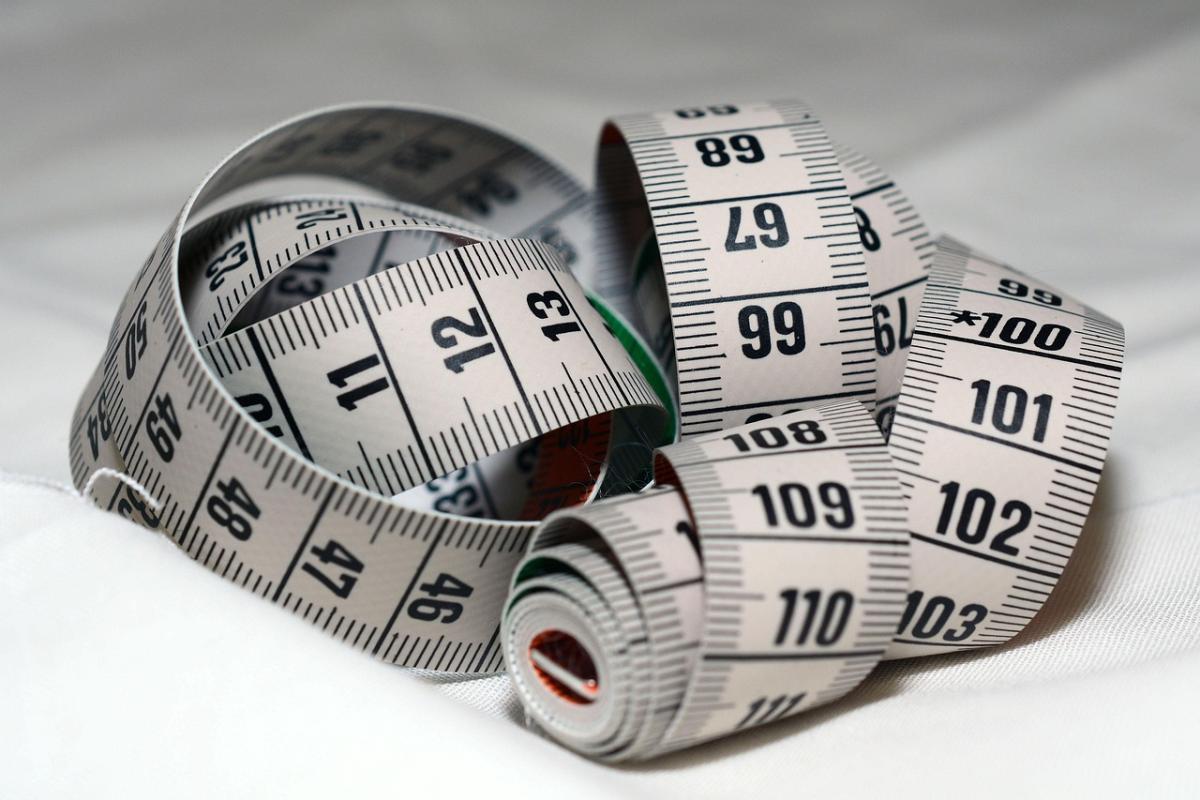
Next, consider the size and fit. A knee brace that’s too tight can cause discomfort, while one that’s too loose won’t provide the support you need. Most brands offer sizing charts to help you find your perfect fit. Measure your knee circumference and compare it to the chart. This step is essential for comfort and safety.
Material plays a big role, too. Some braces are made with breathable fabrics, which can keep you cooler and more comfortable, especially if you wear it for extended periods. Others might be more rigid for added support. Feel free to try different materials and styles until you find what feels right for you.
Lastly, read some reviews or ask your doctor for recommendations. This knee brace fitting guide is a great way to ensure you’re choosing a product backed by real experiences. It can save you time and help you feel more confident in your decision.
Steps to Measure for a Perfect Fit
Getting the right fit for your knee brace can make all the difference in your recovery. Follow these simple steps to ensure you’re measuring correctly. This is your personal knee brace fitting guide!
First things first, grab a soft measuring tape. If you don’t have one, you can use a piece of string and then measure it against a ruler. Make sure you’re in a comfortable position. Standing straight helps get the most accurate measurements.
Now, here’s where to measure:
Write down all your measurements. Check the manufacturer’s sizing chart, as every brand can be a little different. If you’re in between sizes, go with the larger one for comfort. This knee brace fitting guide is here to help make sure you get the right support you need for your recovery!
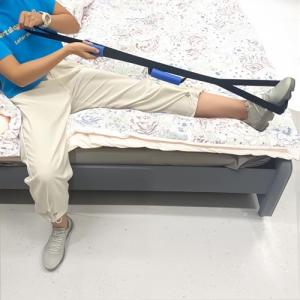
42 Inch Leg Lifter Strap for Knee Recovery
Easily lift and move your leg after surgery with this sturdy and convenient leg lifter strap
Product information
$9.99 $8.99
Product Review Score
4.14 out of 5 stars
80 reviewsProduct links
Adjusting Your Brace for Comfort
Getting your knee brace to fit just right is super important for your recovery. If it’s too tight or too loose, it can cause discomfort or even do more harm than good. So, let's talk about how to adjust your brace for the best fit possible.
First things first, take a good look at the straps. Most braces come with adjustable straps, so you can customize the snugness. Start by loosening the straps and putting the brace on. Then, tighten each strap gradually until you feel a firm but comfortable grip around your knee. You shouldn’t feel any pinching or excessive pressure, just the right amount of support.
Next, consider the position of the brace. It should sit comfortably on your knee, covering the right areas without shifting around. If your brace has a specific orientation, make sure it's facing the right way. Some braces come with markings to help you get it right, just follow those to ensure proper placement.
If you're still feeling unsure, don’t hesitate to consult a physician or physical therapist. They can help you make adjustments so you can be confident in your knee brace fitting guide. A well-fitted brace not only aids your recovery but also keeps you comfortable throughout your day.
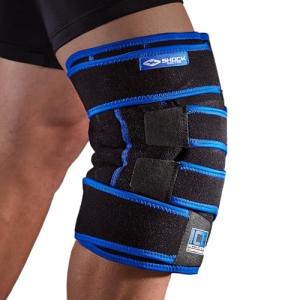
Shock Doctor Ice Compression Knee Wrap, Small-Medium
Experience soothing relief and support for your knee with this easy-to-use compression wrap
Product information
$49.95 $44.95
Product Review Score
4.58 out of 5 stars
77 reviewsProduct links
Caring for Your Knee Brace Properly
Taking care of your knee brace is super important for keeping it in good shape and ensuring it works well. If you’ve just gone through knee surgery, you likely rely on your brace more than ever. Here are some easy tips for maintaining it.
First, always follow the cleaning instructions that come with your brace. Most braces can be wiped down with a damp cloth or washed by hand. Avoid tossing them in the washing machine unless the label says it’s okay. Regular cleaning helps get rid of sweat and bacteria, which is key for hygiene and comfort as you recover.
Next, check the straps and padding regularly. Look for any signs of wear and tear, like fraying or bending. If anything seems off, it’s best to replace those parts. Well-maintained straps will help you achieve the right knee brace fitting guide you need for optimal support. A solid fit prevents slippage and keeps your knee stable.
Lastly, store your knee brace properly when you’re not using it. Keep it in a cool, dry place away from direct sunlight. Storing it wrong can damage the material, leading to a shorter lifespan. Treat it with care, and it will last longer, supporting you through your recovery journey.